Chaotic but Cute: A Design That Stands Out
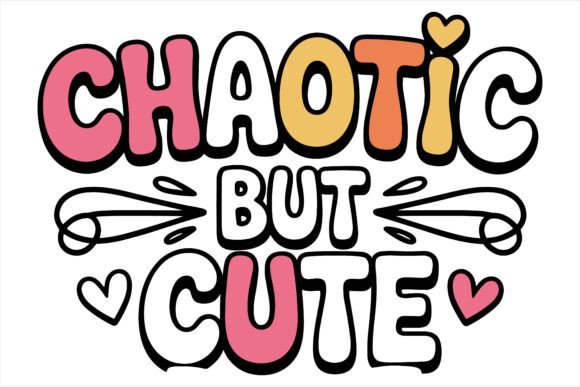
As a designer and embroidery product reviewer, I’ve seen my fair share of trending graphics. Chaotic but Cute is one that immediately grabs attention. It’s not just a design—it’s a statement. The first impression is bold, playful, and slightly unpredictable, which makes it perfect for those who want to make an impact with their handmade products or custom apparel.
The Visual Personality of Chaotic but Cute
Chaotic but Cute has a unique visual personality. It blends whimsy with a touch of rebellion, making it ideal for projects that need a bit of edge. The layout feels dynamic, with elements that seem to jump off the page. The detail level is high enough to be engaging but not so intricate that it becomes overwhelming. This balance makes it versatile for a range of embroidery projects.
The design’s theme is clear: it’s meant to be noticed. Whether it’s a clever quote, bold typography, or a mix of symbols and text, it’s designed to spark conversation. This makes it a great fit for custom apparel, tote bags, and even baby items where a little humor can go a long way.
Real-World Embroidery Performance
When testing Chaotic but Cute on different fabrics and projects, I found it performs well in most standard embroidery scenarios. It works well on t-shirts, sweatshirts, and tote bags, where the fabric is stable and the design can be easily stitched without distortion. However, there are some considerations to keep in mind.
For smaller hoop sizes, the design may require some adjustments. If you’re working on a cap or a patch, you might need to split the design into sections to ensure clarity. The same goes for textured or stretchy fabrics—these can affect how the stitches lay down and how the final product looks.
On dark fabrics, the contrast between the design and the background is important. If the thread colors don’t stand out enough, the design may not have the intended impact. Testing the design on both light and dark backgrounds is a smart move before committing to a full project.
Where to Use Chaotic but Cute Carefully
While Chaotic but Cute is a strong design, it’s not without its limitations. On thin or delicate fabrics, the stitch density could cause puckering or damage. Similarly, if the design includes tiny lettering or detailed corners, these areas might not come out as crisp as expected. This is especially true for machine embroidery designs that aren’t optimized for small details.
For commercial embroidery projects, it’s essential to check the licensing terms before selling finished products or digital files. Even if the design looks great, you don’t want to run into legal issues down the line. Always confirm the usage rights and ensure the design is suitable for both personal and commercial use.
Impact on Visual Appeal and Customer Perception
Chaotic but Cute has a strong visual appeal that can elevate any handmade product. When stitched properly, it adds a unique flair that sets your work apart. This is especially valuable for Etsy sellers and small shop owners looking to stand out in a crowded market.
However, visual appeal alone isn’t enough. Stitching clarity is crucial. If the design is too dense or the thread colors don’t match well, it can detract from the overall quality. For personalized gifts or custom apparel, this could affect customer satisfaction and trust in your brand.
When used in the right context, Chaotic but Cute can enhance the value of your products. It’s a great choice for holiday gifts, wedding favors, or boutique merchandise. But it also requires careful consideration to ensure it aligns with your brand’s image and the expectations of your customers.
Practical Designer Notes for Using Chaotic but Cute
Before using Chaotic but Cute in a real project, test it on scrap fabric. This helps you see how the design looks in practice and identify any potential issues. Check the thread color contrast, especially on dark backgrounds. Review the stitch density to make sure it’s appropriate for the fabric you’re using.
Confirm the hoop size required for the design. If it’s larger than your machine can handle, you may need to adjust the design or use multiple hooping steps. Inspect small details like lettering and corners to ensure they’re sharp and legible. Test the design in black and white mockups to see how it translates without color.
Use the right stabilizer for the fabric type. This prevents puckering and ensures the design stays in place during stitching. Make sure the design works for both personal and commercial projects, and always verify the licensing before selling finished items or digital products.
Final Thoughts on Chaotic but Cute
Chaotic but Cute is a design that knows how to make an impression. It’s perfect for influencers, meme lovers, and anyone looking to add a bit of fun to their embroidery projects. Whether you’re creating custom apparel, embroidered patches, or small shop merchandise, it has the potential to be a standout piece.
But like any design, it’s not one-size-fits-all. It requires thoughtful application, especially when working with challenging fabrics or limited hoop sizes. With the right approach, however, Chaotic but Cute can become a valuable addition to your collection of machine embroidery designs.