Coping Mechanisms
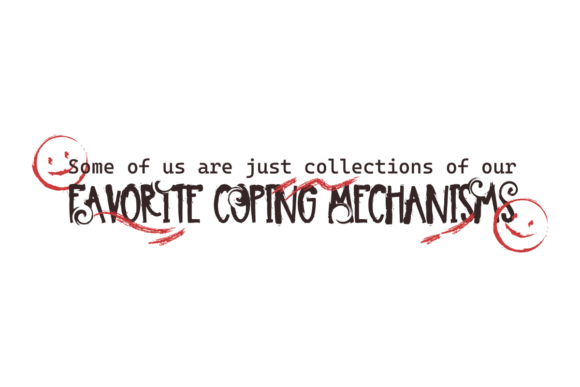
As an embroidery designer and product reviewer, I’ve seen countless designs come and go. But when I first laid eyes on Coping Mechanisms, I felt a mix of curiosity and intrigue. This is a design that doesn’t just sit on a hoop—it speaks. The bold typography paired with playful red smiley doodles and brush stroke accents creates a visual language that’s both honest and lighthearted. It’s the kind of design that could easily become a signature piece in a handmade shop or a meaningful gift for someone who needs a reminder that it’s okay to cope.
The First Impression: Mood, Layout, and Visual Personality
Coping Mechanisms immediately conveys a sense of vulnerability wrapped in humor. The quote, “Some of us are just collections of our favorite coping mechanisms,” is presented in a clean, modern typeface that’s easy to read but still has personality. The red smiley doodles add a whimsical touch, while the brush strokes suggest a handcrafted feel. This combination makes it ideal for projects that aim to balance sincerity with a bit of fun.
The layout is well-structured, with the text centered and the doodles placed strategically around it. The design isn’t overly complex, which means it can be adapted to a variety of embroidery projects without losing its impact. It’s not a design that screams for attention, but it does demand a second glance—perfect for a small business owner looking to stand out on Etsy or at a craft fair.
Real-Life Embroidery Use Cases
When considering where Coping Mechanisms fits best, I imagine it on a custom embroidered tote bag. The design would look great on a cotton canvas tote, adding a personal touch to a practical item. It could also work well on a sweatshirt or t-shirt, especially for a boutique brand that wants to connect with customers on an emotional level.
For baby items, like onesies or burp cloths, the design might need some adjustments. The red smileys could be too bright for a nursery, and the text may need to be larger for visibility. But as a personalized gift, it could be a thoughtful addition to a baby shower or graduation gift.
On caps or hats, the design might require a smaller hoop size, which could affect stitch density and detail. For patches, the design would likely hold up well, especially if using a stabilizer to prevent puckering on the edges.
Where to Be Careful: Fabric and Design Limitations
While Coping Mechanisms is versatile, there are areas where caution is needed. On thin or stretchy fabrics, the design might not sit as smoothly, and the stitches could pucker or distort. Dark fabrics may also pose a challenge, as the red elements could blend into the background unless the thread color is carefully chosen.
Small hoop sizes could limit the ability to capture the full design, especially the brush stroke details. If you’re working on a curved surface like a cap, the design may need to be adjusted for proper placement. Tiny lettering or intricate corners could be lost in dense stitch areas, so it’s important to test the design on scrap fabric before committing to a project.
Visual Appeal and Customer Perception
One of the strengths of Coping Mechanisms is its ability to create a connection. Customers often look for embroidery that feels personal, and this design does exactly that. It adds value to a handmade product by offering a meaningful message that resonates with many people.
From a commercial standpoint, the design could be a strong asset for a craft business or Etsy seller. It’s unique enough to stand out, yet simple enough to be adaptable. However, it’s important to consider how it will look in different contexts—like in a printable mockup or as part of a digital product preview.
When used correctly, Coping Mechanisms can enhance the professionalism of a brand. It shows that the creator understands the emotional aspect of embroidery and is willing to offer something that goes beyond aesthetics.
Practical Designer Notes for Using Coping Mechanisms
If you’re planning to use Coping Mechanisms in your own embroidery projects, here are a few key tips:
- Test on scrap fabric first to see how the design looks in real life and how the stitches behave on your chosen material.
- Check thread color contrast to ensure the red elements pop against the background fabric.
- Review stitch density to avoid overcrowding the design, especially in areas with small details.
- Confirm hoop size to make sure the entire design fits comfortably without being stretched or distorted.
- Inspect small details like the smiley faces and brush strokes to ensure they remain visible after stitching.
- Test in black and white mockups to see how the design translates without color.
- Compare light and dark fabric backgrounds to determine the best look for your project.
- Use proper stabilizer to prevent puckering, especially on delicate or stretchy fabrics.
- Confirm licensing before selling finished items or digital products to avoid any legal issues.
Final Thoughts: A Design That Resonates
Coping Mechanisms is more than just a machine embroidery design—it’s a statement. It has the potential to elevate a handmade product, add depth to a personalized gift, or serve as a meaningful addition to a custom apparel piece. While it requires careful consideration in certain applications, its overall appeal and emotional resonance make it a valuable asset for any embroidery designer or craft business.
Whether you’re an Etsy seller, a small shop owner, or a creative entrepreneur, Coping Mechanisms offers a unique opportunity to connect with your audience in a way that’s both authentic and stylish. Just remember to test, adapt, and always keep the end user in mind.