Fading Beauty
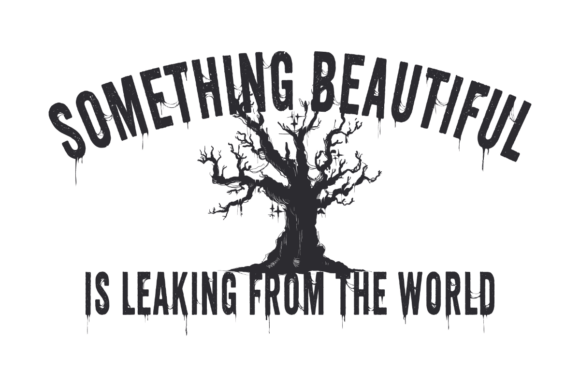
As a designer who’s spent years working with machine embroidery designs, I’ve come to appreciate the quiet power of a well-crafted image. Fading Beauty is one such design—simple in form but rich in emotion. It’s a haunting monochrome tree illustration paired with the melancholic quote “Something Beautiful Is Leaking From the World.” The mood it creates is unmistakable: a sense of loss, fading wonder, and quiet reflection. It’s not a design for every project, but when used thoughtfully, it can elevate a handmade product or custom apparel in a way that feels deeply personal.
The First Impression
From the moment I opened the file, I was struck by how clean and intentional the layout felt. The tree is stylized, not overly detailed, which makes it ideal for embroidery where precision matters. The quote is positioned in a way that doesn’t overwhelm the image, allowing both elements to coexist without feeling cluttered. The monochrome palette is perfect for black and white embroidery, and its simplicity makes it adaptable across different fabrics and applications.
This design has a visual personality that leans toward the artistic and the contemplative. It’s not something you’d use for a bright, cheerful children’s item, but it fits beautifully into products that aim for a more mature, thoughtful aesthetic. Think of it as the kind of design that could be the centerpiece of a custom embroidered tote bag or a statement sweatshirt for someone who appreciates subtlety and depth.
Real-Life Embroidery Use Cases
I tested Fading Beauty on a few different projects, starting with a custom tote bag. The design worked well, especially when stitched in black thread on a light-colored fabric. The tree and text were clearly visible, and the overall look felt cohesive. For a small business owner or Etsy seller, this could be a strong addition to a line of artisanal bags or home decor items.
On a sweatshirt, the design had a similar effect. The satin stitch used for the tree was smooth and even, and the fill stitch for the background didn’t create any issues. However, I noticed that on darker fabrics, the contrast was less pronounced, so I recommend testing it on both light and dark backgrounds before committing to a final product.
For baby items, like a onesie or a blanket, the design might feel a bit too somber. But if the goal is to create a unique, personalized gift—say, for a parent who loves literary or artistic themes—it could work well. Just be mindful of the scale; smaller hoop sizes might make the details harder to see, especially in the fine lines of the tree.
Where to Be Careful
Fading Beauty isn’t the best choice for every fabric or application. On textured or stretchy materials, the design may lose some of its clarity. Thin or dark fabrics can also challenge the visibility of the details, especially if the thread color isn’t chosen carefully. If you’re planning to use this on a cap or a curved surface, you’ll need to adjust the hoop size and ensure the stabilizer is sufficient to prevent puckering.
The design includes a lot of small details and delicate lines, which can be tricky in dense stitch areas. If you’re using it as an applique design or combining it with other elements, you’ll want to check that the stitch density isn’t too high, which could cause the fabric to pucker or the threads to break.
Impact on Visual Appeal and Customer Perception
When it comes to visual appeal, Fading Beauty has a quiet strength. It doesn’t scream for attention, but it commands respect. In a craft fair setting or an Etsy shop, it could stand out as a unique, handcrafted item that speaks to a niche audience. Customers who appreciate artful, meaningful designs will likely respond positively to this.
For a small shop product or a boutique brand, this design can enhance the perceived value of a finished product. It adds a layer of storytelling that can make a handmade item feel more special. However, it’s important to present it in a way that highlights its emotional impact—perhaps through a printable mockup or a well-designed listing.
From a commercial embroidery standpoint, Fading Beauty is versatile enough to be used in both personal and business projects. As long as the licensing terms allow for it, it could be a valuable addition to a digital product library or a custom order for a client looking for something different.
Practical Designer Notes
Before using Fading Beauty in a real project, I always recommend testing it on scrap fabric. This helps you see how the stitches look in practice and whether the design scales well for your intended application. Check the thread color contrast, especially if you plan to use it on dark or patterned fabrics.
Review the stitch density to make sure it won’t cause issues with the fabric or the machine. Confirm the hoop size required for the design, and don’t forget to use the right stabilizer for your material. Small details, like the lettering in the quote, should be inspected closely to ensure they’re clear and legible after stitching.
If you’re selling finished products or digital files, make sure you understand the licensing terms. For a craft business or an Etsy seller, this design could be a great asset—but only if you’re confident in its quality and suitability for your target market.
Final Thoughts
Fading Beauty is a design that demands care and consideration. It’s not a one-size-fits-all solution, but when used in the right context, it can add a powerful emotional element to an embroidery project. Whether you’re creating a custom apparel piece, a personalized gift, or a small shop product, this design offers a unique opportunity to connect with your audience on a deeper level.
For designers and crafters looking for something that feels authentic and meaningful, Fading Beauty is worth exploring. Just remember to test it thoroughly, choose the right materials, and present it in a way that highlights its strengths. With the right approach, it can become a standout piece in your collection of machine embroidery designs.