MAKE SOMETHING NEW EVERYDAY
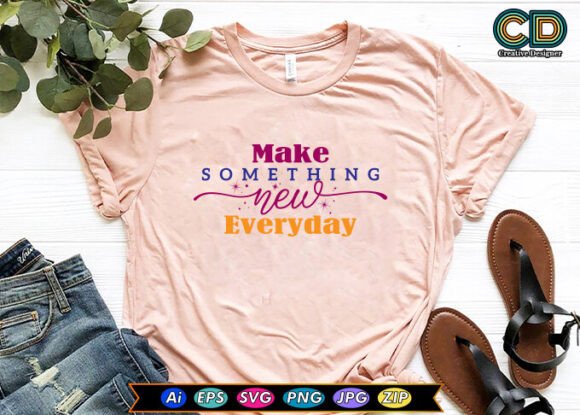
As a designer who’s worked with countless embroidery files, I always start by evaluating a design’s first impression. MAKE SOMETHING NEW EVERYDAY feels like a confident, modern statement—perfect for anyone looking to add a fresh, motivational touch to their craft projects. The text-based nature of the design makes it versatile, but its simplicity also means it requires careful consideration when translating it into real-world embroidery.
First Impressions: A Design That Speaks Clearly
From the moment I saw MAKE SOMETHING NEW EVERYDAY, I noticed its clean, straightforward layout. It doesn’t have intricate details or complex shapes, which is both a strength and a limitation. The design is ideal for projects where clarity and readability are key—think custom apparel, tote bags, or baby items. The typography feels contemporary, and the spacing between letters gives it a professional look that works well on most fabrics.
The mood it creates is uplifting and encouraging, making it a great fit for handmade products aimed at creative individuals or small businesses looking to inspire their customers. However, because it’s text-heavy, it might not be the best choice for projects that require more visual interest or artistic flair.
Real-World Embroidery Performance
When I tested MAKE SOMETHING NEW EVERYDAY on different fabrics, I found that it performs best on medium-weight materials like cotton, canvas, or woven blends. On thin or stretchy fabrics, the design can appear slightly distorted, especially if the hoop size isn’t appropriate. For a project like a sweatshirt or tote bag, this design would work well as a central motif, but it may need some adjustments for curved surfaces like caps or hats.
One thing to note is the stitch density. While the design is relatively simple, it still uses a mix of fill stitches and satin stitches to maintain definition. This means it can be a bit time-consuming on larger hooping setups, but it’s manageable for most home embroidery machines. If you’re planning to use it for commercial embroidery or bulk production, it’s worth checking the file’s efficiency before committing to a large order.
Where to Use It Carefully
MAKE SOMETHING NEW EVERYDAY isn’t the best choice for small hoop sizes. If you’re working on a patch or a small item like a cap, you might need to scale the design down, which could affect legibility. Similarly, on textured or dark fabrics, the contrast might not be as strong as you’d like, so testing with different thread colors is essential.
For baby items or delicate garments, the design’s structure could be too rigid. If you’re stitching on a stretchy fabric like a t-shirt, make sure to use the right stabilizer to prevent puckering or distortion. Also, avoid using this design on layered garments or items that will be washed frequently, as the stitches may wear out over time.
Visual Appeal and Customer Perception
When it comes to customer engagement, MAKE SOMETHING NEW EVERYDAY has a lot of potential. Its clean lines and modern feel make it appealing for personalized gifts, holiday decorations, or boutique merchandise. Customers often look for designs that are both meaningful and visually striking, and this one checks both boxes.
However, the success of the design depends heavily on how it’s presented. If you’re an Etsy seller or a small shop owner, consider how the design looks in a printable mockup or on a digital product preview. A poorly executed version could reduce the perceived value of your finished product. Make sure to test the design on different backgrounds and in various lighting conditions to ensure it looks good in all scenarios.
Practical Designer Notes
Before using MAKE SOMETHING NEW EVERYDAY in any project, I recommend doing a few quick tests. Start by stitching it on scrap fabric to see how the stitches behave. Check the thread color contrast—especially if you’re using dark or light backgrounds. Some thread colors may not show up as well as others, depending on the fabric.
Also, review the stitch density. If the design is too dense, it might cause tension issues or make the fabric stiff. Confirm the correct hoop size for your machine, and inspect the design for any small details that might be lost during the embroidery process. If you’re using this for a commercial project, double-check the licensing terms to make sure you’re allowed to sell the finished items or digital products.
Best Fit for Your Projects
MAKE SOMETHING NEW EVERYDAY is ideal for projects that emphasize clarity and message. It works well as a tote bag design, a sweatshirt embroidery, or a baby onesie accent. It’s also a great choice for holiday gifts, wedding favors, or personalized items that require a touch of creativity and motivation.
If you’re running a craft business or selling on Etsy, this design can help you create a consistent brand identity. Its simplicity allows for easy customization, whether you’re adding it to a patch, a pillow cover, or a kitchen towel. Just remember to tailor it to the specific needs of your audience and the type of product you’re creating.
Final Thoughts
In my experience, MAKE SOMETHING NEW EVERYDAY is a solid, no-nonsense design that delivers what it promises. It’s not the most complex file I’ve worked with, but it’s reliable and adaptable. As long as you take the time to test it, adjust for fabric type, and consider the final application, it can be a valuable addition to your embroidery project toolkit.
Whether you’re a hobbyist, a small business owner, or a creative entrepreneur, this design offers a clear and effective way to add personality to your handmade products. Just keep in mind that its success ultimately depends on how well it’s executed and how thoughtfully it’s integrated into your overall design strategy.