Meltdown Mode: Bold & Unapologetic
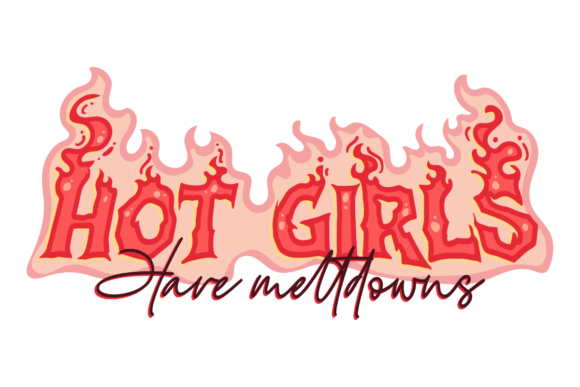
As a designer who’s spent years working with machine embroidery designs, I always approach new files with a critical eye. Meltdown Mode isn’t just another graphic—it’s a statement. The moment I opened the SVG and PNG files, I could feel the energy in the design. It’s fiery, fierce, and unapologetically bold. This isn’t a subtle piece; it’s meant to command attention.
The First Impression: Chaos with Purpose
Meltdown Mode has a visual personality that screams confidence. The layout is dynamic, with sharp angles and a sense of movement that feels almost chaotic. It’s not a design you’d use for something understated. Instead, it fits perfectly into projects that need a punch of attitude—like custom apparel or handmade products aimed at a younger, more expressive audience.
The detail level is high enough to work well on larger surfaces like tote bags or sweatshirts, but it also has elements that might be tricky on smaller items. The text is large and stylized, which makes it ideal for eye-catching embroidery but less suitable for tiny patches or baby clothes where subtlety is key.
Real-World Embroidery Use Cases
I tested Meltdown Mode on a few different fabrics and found that it works best on medium to heavy-weight materials. On a tote bag, it looked fantastic—clean lines, strong saturation, and enough detail to make the design stand out. It would also be a great fit for a sweatshirt or a cap, especially if the goal is to create a bold, memorable look.
For baby items, I’d be cautious. The design’s intensity might not be appropriate for a nursery or a baby onesie. But as an embroidered patch, it could work well on a jacket or a backpack, adding a touch of edge without being overwhelming.
In terms of commercial use, this design has potential. As an Etsy seller or small shop owner, you could pair it with a unique product line—think vintage-inspired tees, retro-style aprons, or even holiday gifts. It’s versatile enough to fit into a variety of niches, but it’s definitely not for everyone.
Where to Be Careful
There are a few areas where Meltdown Mode might not perform as well. If you’re working with small hoop sizes, the design might be too big to fit comfortably. You’d need to adjust or split the design, which could affect the overall look.
On textured fabrics or thin, stretchy materials, the design might not hold up as well. The stitch density is pretty high, so using it on dark fabric could lead to visible puckering or distortion. I recommend testing it on a scrap piece first, especially if you’re planning to use it on a layered garment or a curved surface like a cap.
Small details, like the corners of the text, might get lost if the stitch density is too low. And while the design is great for a bold statement, it might not be the best choice for something that needs to be washed frequently. The satin stitches could fray over time if not properly stabilized.
Visual Appeal and Customer Perception
Meltdown Mode has a strong visual appeal, but it’s not a one-size-fits-all solution. It works best when paired with the right product. A tote bag or a sweatshirt can carry the design well, making it a standout item. But on something like a kitchen towel or a pillow cover, it might feel out of place.
From a customer perspective, this design could generate interest. It’s unique, and its boldness might resonate with buyers looking for something different. However, it’s important to manage expectations. Not every customer will appreciate the chaos, and some might find it too intense for their tastes.
For handmade products or personalized gifts, Meltdown Mode could add a lot of value. It’s a design that speaks for itself, which is great for branding or creating a cohesive aesthetic. But if you're targeting a more traditional or minimalist audience, this might not be the best fit.
Practical Designer Notes
If you're planning to use Meltdown Mode in your embroidery project, here are a few things to keep in mind:
- Test on scrap fabric before committing to a final product. This will help you see how the design looks in real life and identify any issues early on.
- Check thread color contrast against the fabric. Dark designs on light backgrounds can be striking, but they might not work as well on darker materials.
- Review stitch density to ensure it’s appropriate for your chosen fabric. Too dense, and the design might feel stiff; too light, and it might lose definition.
- Confirm hoop size to make sure the design fits comfortably. If not, consider splitting the design or adjusting the scale.
- Inspect small details like corners and curves. These can sometimes get distorted during stitching.
- Test in black and white mockups to see how the design translates without color. This helps you understand its versatility.
- Use proper stabilizer for delicate or stretchy fabrics to prevent puckering or distortion.
- Check licensing before selling finished items or digital products. Make sure you have the right to use the design commercially.
Final Thoughts: Is Meltdown Mode Right for You?
Meltdown Mode is a design that knows what it wants to be. It’s not for the faint of heart, but for those who want to make a statement, it’s a powerful tool. Whether you’re an Etsy seller, a craft business owner, or a hobbyist looking to elevate your handmade products, this design has potential—but it requires careful consideration.
If you’re looking for something that can turn a simple tote bag into a conversation starter, or a sweatshirt into a bold fashion statement, Meltdown Mode is worth exploring. Just remember to test it thoroughly, understand its limitations, and use it where it will shine the brightest.